
A project needs a direction, but it also needs room to surprise us. Some of the most useful moments happen between the planned steps: a material behaves differently, a rough sketch suggests a new structure, or a question changes the way we read the brief.
Begin with a useful constraint.
Exploration becomes more interesting when it has something to push against. We might choose one material, a limited palette or a particular feeling. The constraint gives the work coherence while leaving the outcome open.
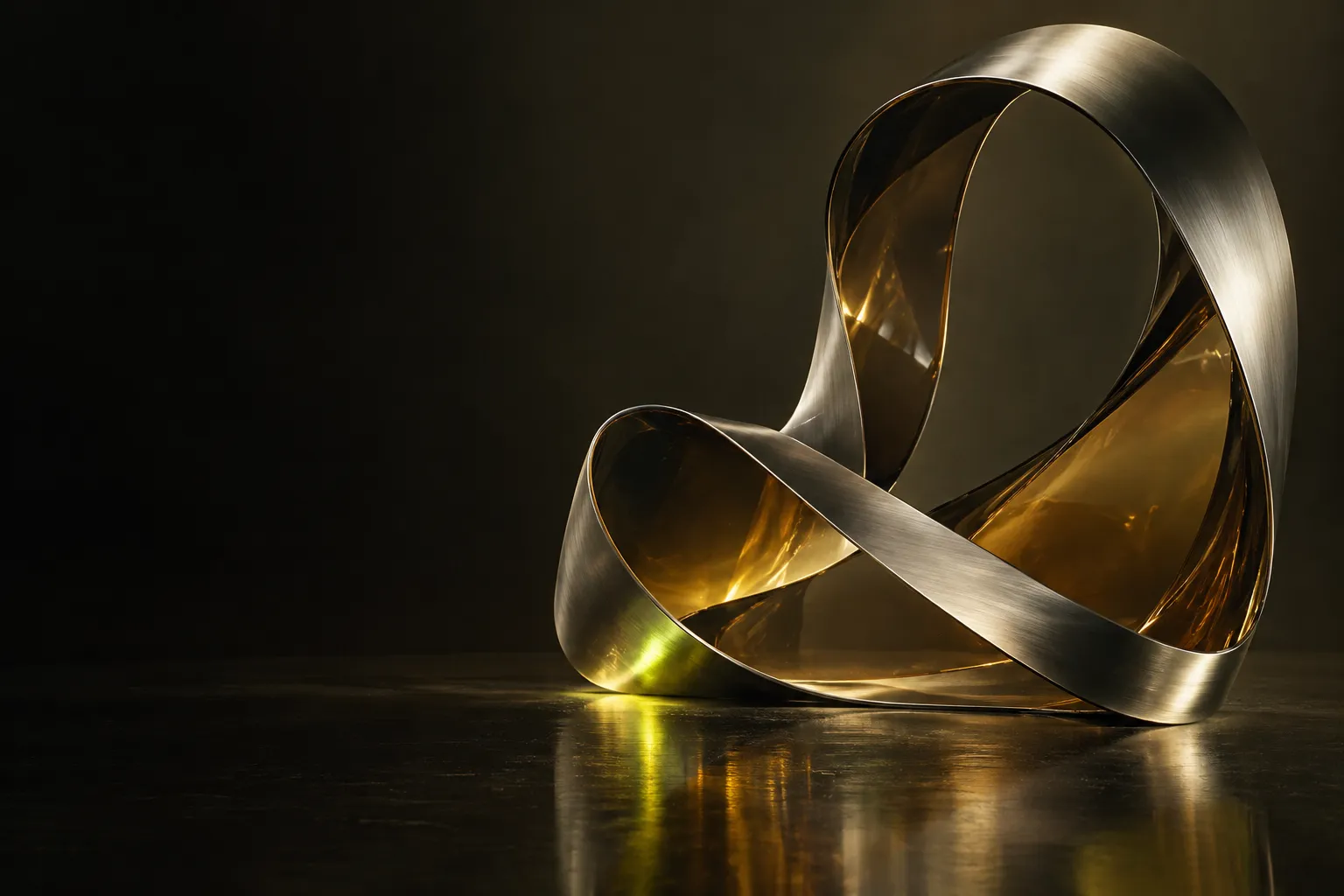
Soft Matter began with texture and light. We were interested in surfaces that could feel both familiar and difficult to name. Close framing removed the usual clues about scale. Folds became landscapes; highlights became paths through the image.
A clear intention can make room for an unexpected answer.
Follow what the work reveals.
We collect variations before choosing a direction. Comparing them side by side makes small differences easier to see. One version may have a better rhythm, another a more convincing sense of depth. The goal is to understand what gives the image its energy.
This stage benefits from a little distance. Returning to the work after a break often reveals which ideas still hold attention and which depended on the excitement of making them.
Bring the discovery into a system.
An interesting experiment becomes useful when it can inform more than one image. We look for the principles underneath it: a relationship between colours, a way of framing, a particular treatment of light. Those principles become a language that can adapt across applications.
- Set a clear starting point.
- Make enough variations to learn from them.
- Name the qualities worth keeping.
- Test them in another context.
There is no need to manufacture surprise at every moment. A thoughtful system can be calm in one place and expressive in another. What matters is that both feel like part of the same world.
Curiosity works best as a practice. Keep looking, keep making, and leave enough space for the work to tell you something new.